
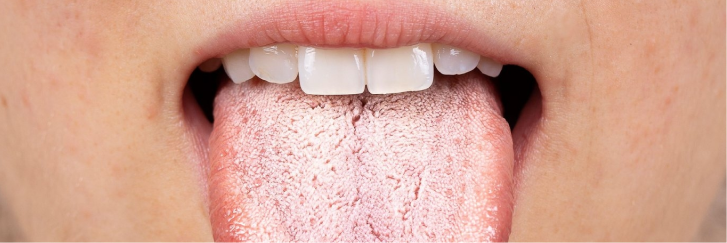
Convenient Online Care for Thrush Symptoms
Thrush can cause irritation, discomfort, and white patches in the mouth or throat that may affect eating, speaking, and daily comfort. At GPARG, we provide professional virtual healthcare support for common oral fungal infections, helping patients receive medical guidance and treatment recommendations from the comfort of home.
Our telehealth services make it easier to manage oral discomfort, soreness, and thrush symptoms quickly and conveniently.
Why Choose Virtual Thrush Care?

Fast & Convenient Appointments
Connect with a healthcare professional without visiting a clinic or urgent care center.
Professional Medical Guidance
Receive trusted support for managing allergy symptoms safely and effectively.
Accessible Healthcare Anywhere
Speak with a provider from home, work, or while traveling using your phone or computer.
Compassionate Patient Support
We focus on providing patient-centered care tailored to your health concerns and comfort.
Common Thrush Symptoms We Help Treat
We provide virtual care for a variety of common thrush symptoms, including:
- White patches inside the mouth
- Mouth or tongue soreness
- Redness or irritation in the mouth
- Pain while eating or swallowing
- Cracking at the corners of the mouth
- Cotton-like feeling in the mouth
- Loss of taste or altered taste
- Mild throat irritation
- Dry mouth discomfort
- General oral discomfort
Personalized Thrush Care From Home
Our healthcare professionals evaluate your symptoms, discuss possible causes, and recommend appropriate treatment options to help relieve discomfort and support recovery.
Virtual consultations may include:
- Symptom evaluation
- Antifungal treatment recommendations
- Medication guidance
- Prescription support when appropriate
- Oral hygiene recommendations
- Follow-up support and care advice
When To Seek Immediate Medical Attention
While many thrush symptoms can be treated through virtual care, some conditions may require immediate medical attention. Seek emergency care if you experience:
- Difficulty swallowing
- Trouble breathing
- Severe mouth or throat pain
- High fever or chills
- Rapidly worsening symptoms
- Severe swelling in the mouth or throat
- Inability to eat or drink properly
- Symptoms that do not improve with treatment
If symptoms are severe or life-threatening, call emergency services immediately.